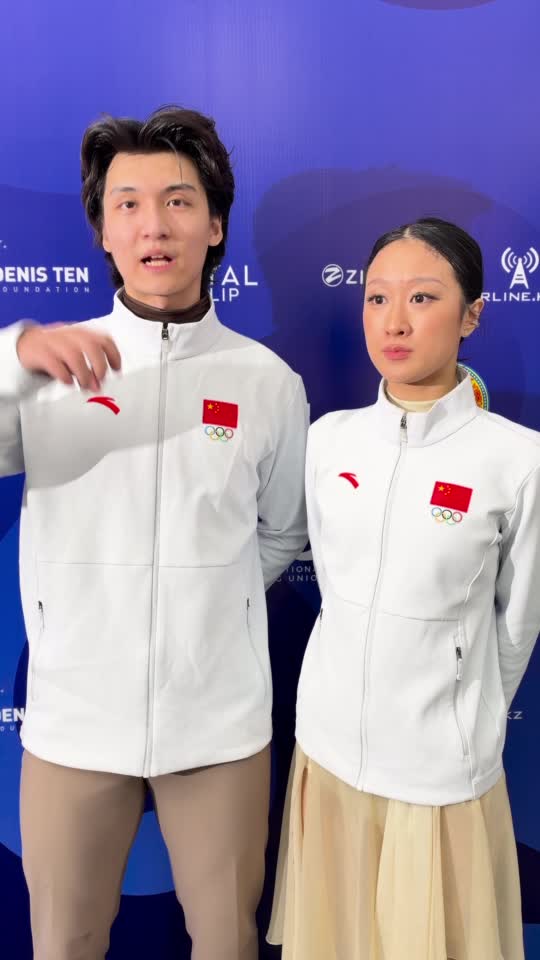
比赛整体表现评估
- 状态检验与细节调整
- 本次比赛作为赛季首场赛事,主要目的是检验运动员在比赛环境下的整套节目状态 。
- 通过比赛暴露平时训练中可能出现的小细节问题,以此判断哪些技术环节需要真正改变,哪些需要保持并继续强化练习 。
- 整体而言,当日比赛状态表现不错,但在部分细节处理上仍有提升空间 。
- 节目适配度评价
- 对今年的整套节目持高度肯定态度,认为其风格与节奏非常适合两位选手的特点 。
- 基于当前的适配性,团队有信心在后续训练中进一步挖掘潜力,实现更好的表现 。
关键技术环节分析
- 托举动作与体力分配
- 风险点:编排中的最后一个托举动作类似“高八度”难度,对运动员的体力储备构成巨大考验 。
- 完成情况:尽管存在体力挑战,但当日该动作完成质量尚可,达到了预期效果 。
- 关注方向:需持续关注该高难度动作在体能极限状态下的稳定性,并在训练中针对性加强耐力支撑 。
- 结束动作与艺术表现
- 视觉印象:教练/评委对节目最后的动态呈现印象深刻,指出这是整套节目中极具亮点的部分 。
- 运动员反馈:其中一位运动员表示最喜欢结束动作,尽管因比搭档早10秒完成动作而处于“半躺”等待状态,但该设计符合节目情感逻辑,个人非常喜爱 。
- 整体喜好:运动员对整套节目均表示满意,认为其完整展现了团队风格 。
后续训练计划与建议
- 持续磨合
- 针对比赛中发现的细节问题,双方需继续进行默契磨合 。
- 训练重点将从“发现问题”转向“解决问题”,明确区分需整改的技术瑕疵与需保持的优势环节 。
- 信心建立
- 鉴于节目风格的高度契合及首场比赛的良好反馈,团队应保持自信,相信通过训练能达到更高水平 。
English Translation
Translated from the Chinese article published by MS Sport Media.
Taking the programs into competition
As the first event of the season, this competition was a chance for Ren Junfei and Xing Jianing to assess their complete programs under competitive conditions.
It helped bring small details into focus: which elements genuinely need changing, and which should be retained and reinforced in training. Overall, they felt good on the day, while recognising that some details still need attention.
They are particularly positive about this season’s program. Its style and rhythm suit both skaters, giving them confidence that further work can bring out more of its potential.
Lifts and the distribution of energy
The final lift places significant demands on their physical reserves. Although it was challenging, they were reasonably satisfied with its execution at this event.
The next task is to make that demanding element dependable even near the limits of fatigue, with training that supports the necessary endurance.
Transcript note: The Chinese notes contain an unclear comparison for the lift’s difficulty; no specific lift classification can be established from it.
An ending that leaves an impression
The closing movement is singled out in the discussion as one of the program’s most striking moments.
One skater describes it as a personal favourite, even though finishing roughly ten seconds before the partner means waiting in a partly reclined position. The arrangement makes emotional sense within the program, and the skater enjoys it.
Both are pleased with the program as a whole and feel that it expresses their identity as a team.
Turning observations into improvements
They will continue developing their coordination and working through the details exposed in competition. Training now needs to move from identifying problems to solving them, while preserving the strengths already in place.
The close fit between the program and the team, together with the encouraging first competitive outing, gives them reason to remain confident about the progress still to come.