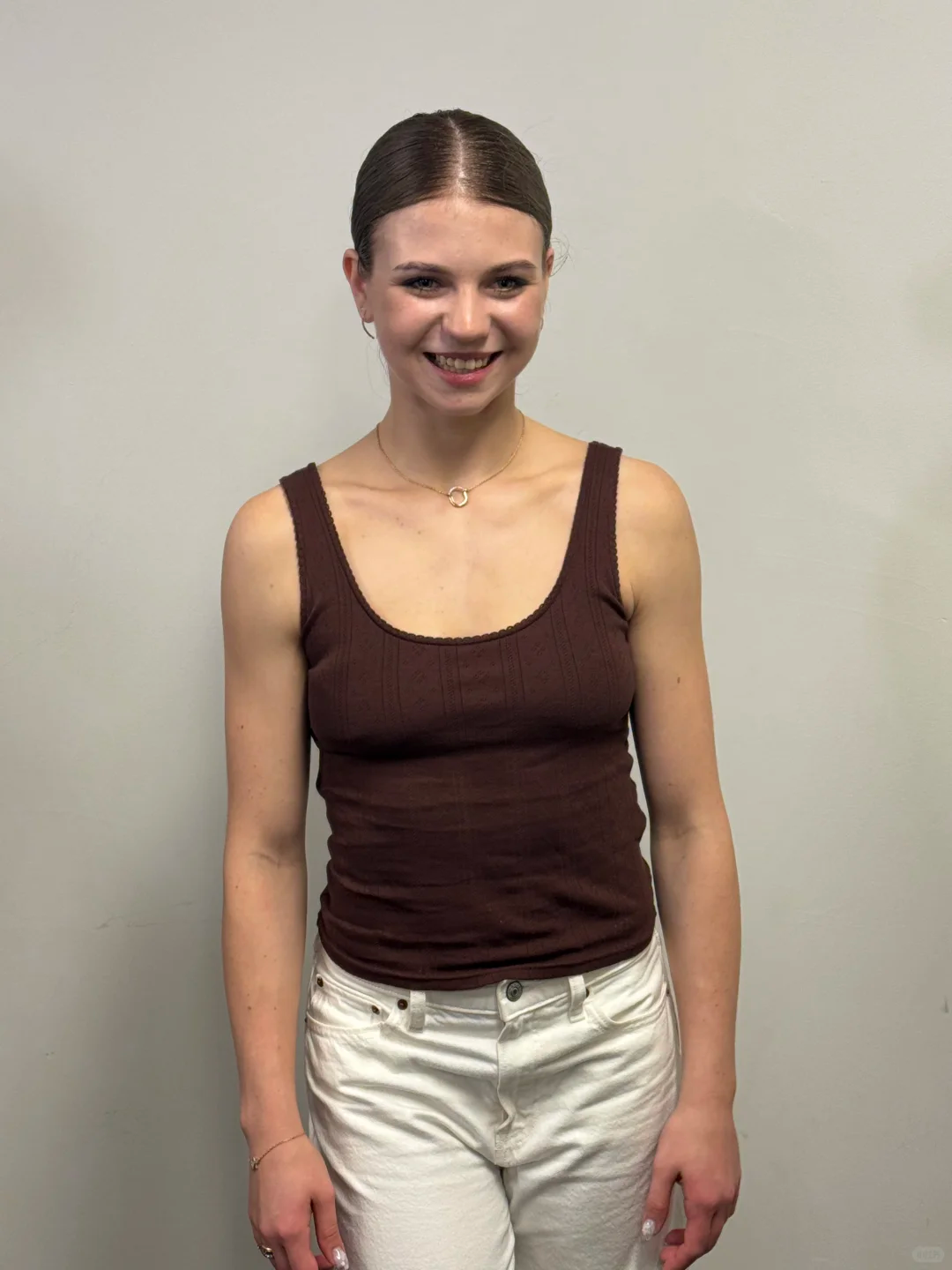
重返赛场:紧张依然存在
Trusova坦言,无论短节目还是自由滑之前,她都会感到紧张。甚至在训练过程中,她一度产生“自己不会跳了”的怀疑,尤其对双阿克塞尔跳的稳定性有所担忧。
但真正进入比赛日后,她的感觉反而不错。赛前的不安并没有阻止她投入比赛。站上冰面后,她依然能够像过去一样,将日常生活中的事情暂时隔绝在外,把注意力集中在技术细节以及与教练的沟通上。
成为母亲,并没有改变这种属于运动员的专注状态。
冰场之外,她现在首先是一位母亲
这一次比赛,儿子和家人也陪伴在她身边。不过Trusova表示,比赛过程中她并不会一直想着家庭。真正站上冰面之后,她仍然会进入熟悉的竞技模式。
而当她离开冰面,儿子的笑容和拥抱则成为另一种意义上的支持。
成为母亲之后,她的日常生活已经与过去完全不同。曾经,她可以把大量时间投入训练和恢复;现在则需要同时照顾孩子、训练以及处理其他工作。有时候,她甚至需要利用孩子睡觉的时间完成训练。
如果2022年的自己看到现在,会有什么不同?
回望北京冬奥会时期的自己,Trusova认为一个很大的变化在于:现在的她重新找到了滑行的乐趣。
过去的竞技生涯更多围绕训练、技术难度和成绩展开,而重新回到赛场后,她开始更加关注滑行本身带来的感受。这种变化,也重新定义了她现在参加比赛的意义。
不再和过去的自己比较
对于一名曾经不断挑战女子单人滑技术极限的运动员来说,“回到过去的水平”很容易成为外界评价复出的标准。但Trusova并不希望这样看待自己。
这一次系统备赛时间只有大约一个半月。在经历三至四年的赛场间隔后,她直到9月初才真正开始系统训练。因此,她现在理解的“做到最好”,并不是复制过去的自己,而是在当前拥有的时间和身体条件下,发挥最大的可能性。
她承认自己的完美主义仍然存在,只是这种完美主义已经开始适应新的生活节奏。
没有过去那种必须取得成绩的压力
Trusova已经经历过奥运会,也完成了职业生涯中许多重要目标。因此,与过去需要考虑世锦赛资格、重大赛事成绩等竞技压力相比,现在参加比赛更多来自她自己的意愿。
这种变化反而让她获得了一种新的优势:她可以更加从容地面对比赛和外界关注。
重新理解节目的艺术表达
这次回归也给Trusova带来了新的编舞体验。过去,她的训练视角往往更加集中于技术元素,而现在,她开始更多关注滑行本身以及节目中的艺术表达。
对她而言,这也是一次新的创作体验。比赛不再只是完成一个又一个技术动作,而是如何完整地呈现一套节目。
新赛季目标:完整地滑好每一套节目
谈到接下来的赛季,Trusova给出的目标并不复杂:完整、高质量地演绎自己的节目,并享受整个赛季。
由于真正系统恢复训练的时间很短,赛季初期的比赛更多是在既定赛程下不断适应,而不是在自己认为最理想的竞技状态窗口参赛。但这本身也是回归过程的一部分。
2030?她现在不想考虑那么远
对于更遥远的未来,Trusova并没有提前设定答案。包括2030年冬奥会这样的长期目标,她目前都没有为自己预设。
现在更重要的是下一次训练、下一套节目、下一场比赛。在经历过奥运周期、离开赛场、成为母亲,再重新穿上冰鞋之后,这一次的Trusova似乎更愿意接受职业生涯的不确定性。
享受当下,也享受重新成为一名参赛运动员所带来的新鲜感。
English Translation
Translated from the Chinese article published by MS Sport Media.
Returning to competition: the nerves are still there
Trusova acknowledged that she feels nervous before both the short program and the free skate. Even in training, she sometimes doubted whether she could still jump, with particular concern about the consistency of her double Axel.
Once competition day arrived, however, she actually felt good. Her earlier anxiety did not prevent her from committing to the competition. On the ice, she could still set everyday life aside as she had before and concentrate on technical details and communication with her coach.
Becoming a mother has not changed that focused competitive state.
Away from the rink, she is now a mother first
Her son and family accompanied her to this competition. Trusova said, however, that she does not think about her family constantly while competing. Once she steps onto the ice, she enters her familiar competitive mode.
After she leaves the ice, her son’s smiles and hugs offer a different kind of support.
Motherhood has completely changed her daily life. Previously, she could devote a great deal of time to training and recovery. Now, she must also care for her child and handle other work. Sometimes she has to fit training into the time when her child is asleep.
What would her 2022 self see differently today?
Looking back at herself during the Beijing Winter Olympics, Trusova identifies one major change: she has rediscovered the pleasure of skating.
Earlier in her career, much of her focus was on training, technical difficulty and results. Since returning to competition, she has paid more attention to how skating itself makes her feel. That change has also redefined what competing means to her now.
No longer comparing herself with her past
For an athlete who repeatedly pushed the technical limits of women’s singles, returning to her former level could easily become the standard by which others judge her comeback. Trusova does not want to see herself that way.
She had only about a month and a half of structured preparation for this competition. After a gap of three to four years away from competition, she did not truly begin systematic training until early September. To her, doing her best now does not mean reproducing her former self, but making the most of the time and physical condition she currently has.
She acknowledges that her perfectionism remains, but it has begun to adapt to her new rhythm of life.
Without the same pressure to achieve results
Trusova has already experienced the Olympics and achieved many major career goals. Compared with the past, when World Championship qualification and results at major events created competitive pressure, she now competes more out of her own desire to do so.
That change has given her a new advantage: she can approach competition and public attention with greater composure.
A new understanding of artistic expression
This return has also brought Trusova a new choreographic experience. Where her training perspective once focused more heavily on technical elements, she is now paying more attention to skating itself and to artistic expression within the program.
For her, this is also a new creative experience. Competition is no longer simply about completing one technical element after another, but about presenting a program as a whole.
The season’s goal: skating each program fully and well
Her goal for the coming season is straightforward: to perform her programs completely and to a high standard, while enjoying the season as a whole.
Because she has had so little time back in systematic training, these early competitions are more about adapting within an existing schedule than competing at what she considers her ideal moment of readiness. That, too, is part of the comeback.
2030? She does not want to look that far ahead yet
Trusova has not decided in advance what the more distant future should hold. For now, she has not set herself long-term goals such as the 2030 Winter Olympics.
What matters more is the next training session, the next program and the next competition. Having experienced an Olympic cycle, stepped away from competition, become a mother and put her skates back on, Trusova now seems more willing to accept the uncertainty of an athletic career.
She wants to enjoy the present, and the fresh feeling of being a competing athlete again.